

Why We Are Digging Our Dahlias after Perennializing: Results of our Three Year Experiment
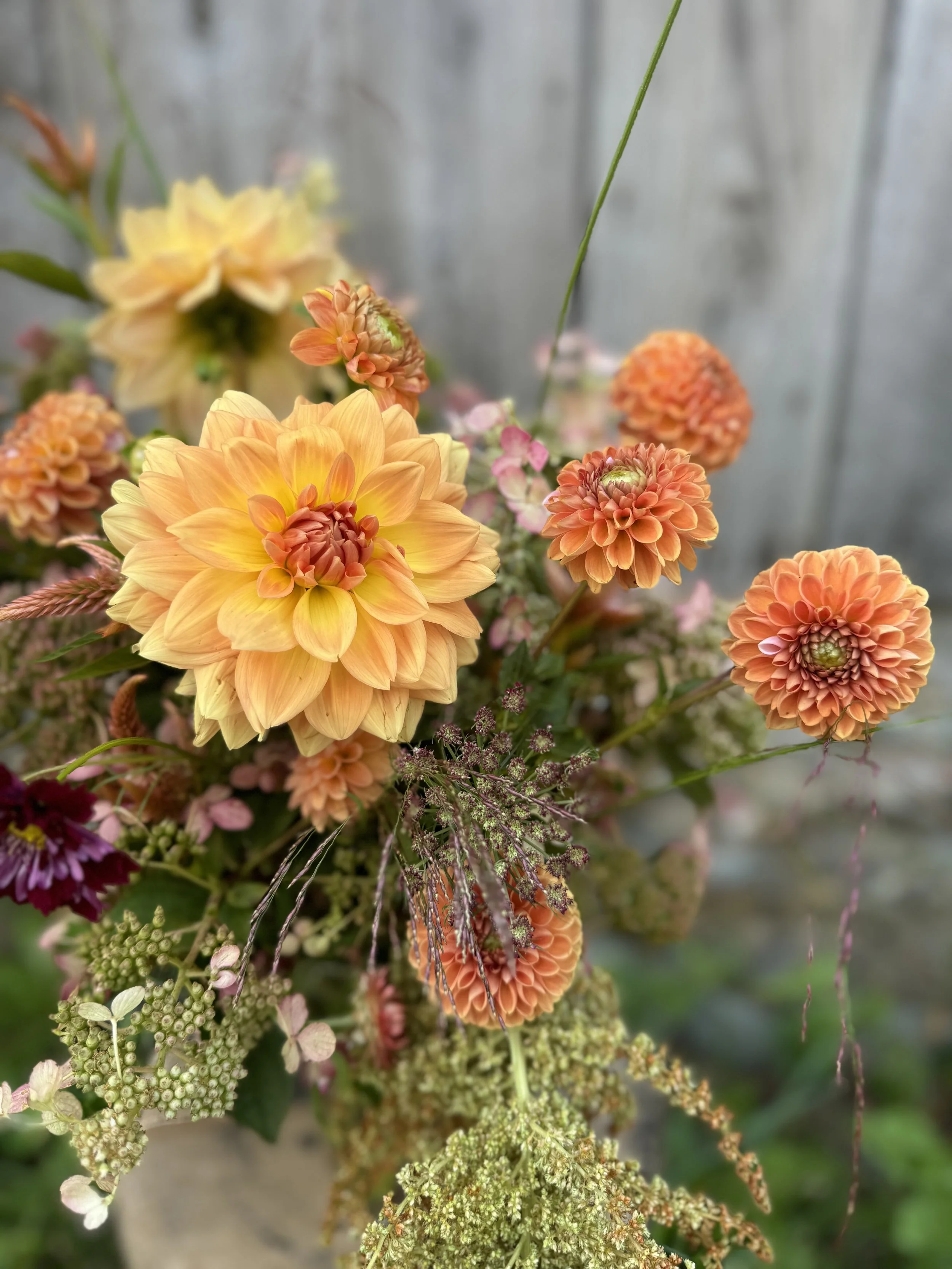
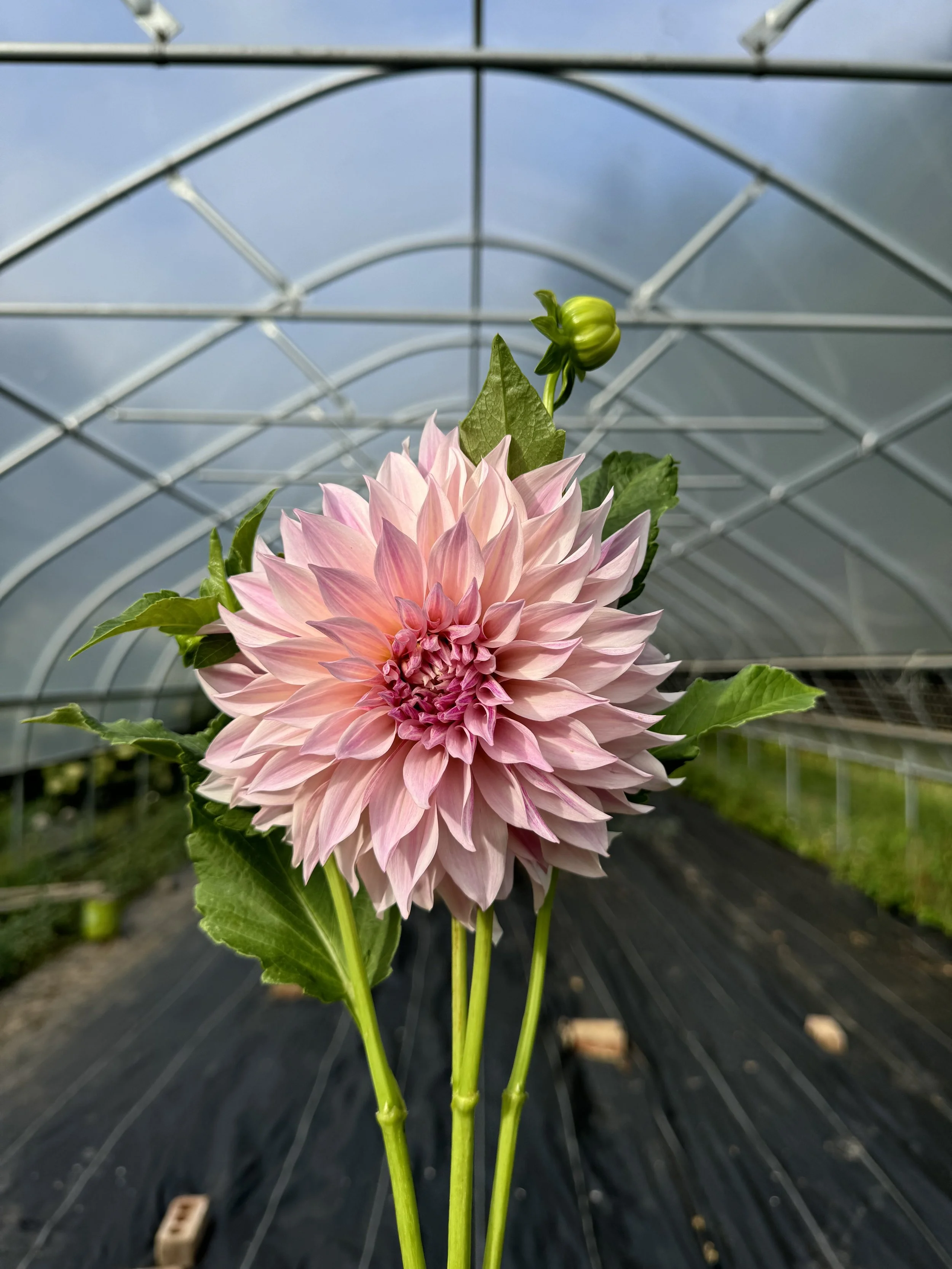
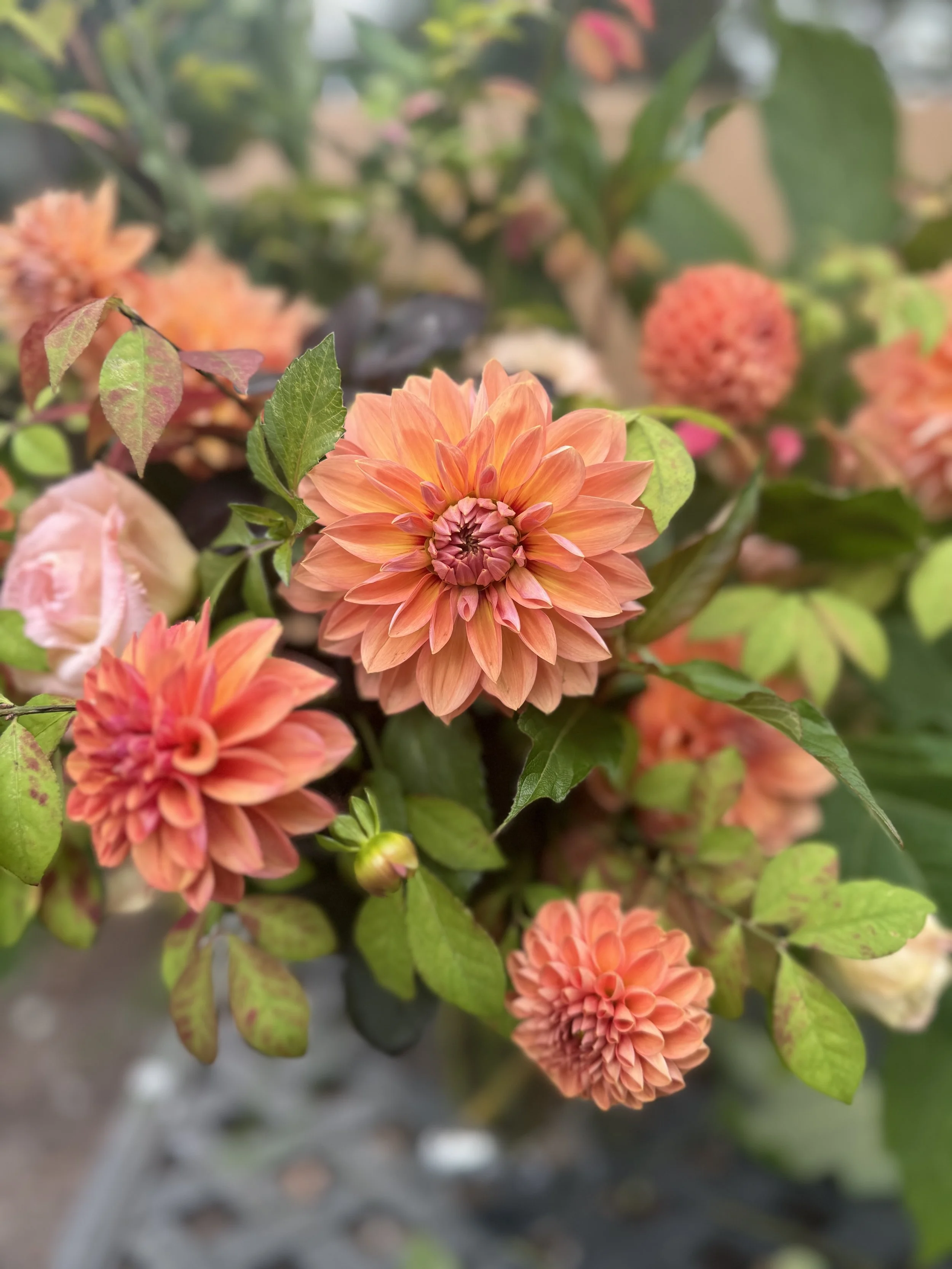
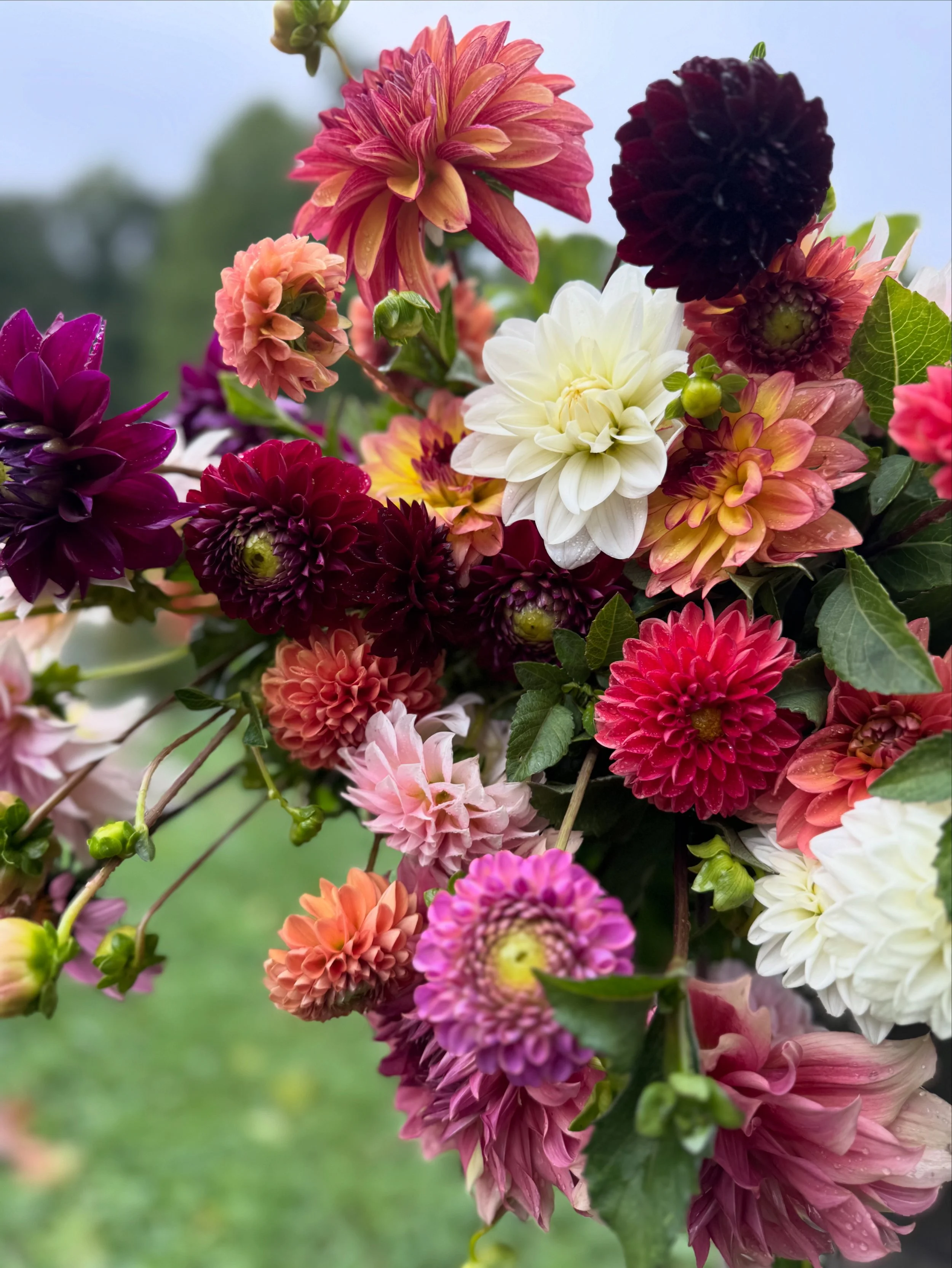
Hello fellow Dahlia lovers and growers! We have been on quite the dahlia roller coaster here behind the scenes at Cut Clover. I’ve learned a lot, and I thought I’d share what we’ve learned in case that helps anyone else along their growing journey. There has been a lot of talk in the flower farming world about leaving dahlias in the ground instead of digging and storing them. The biggest advocate for this method has been farmer-florist extraordinaire Jennie Love of Love N’Fresh Flowers in Philadelphia, Pa. You can find her approach to perennializing dahlias Here.
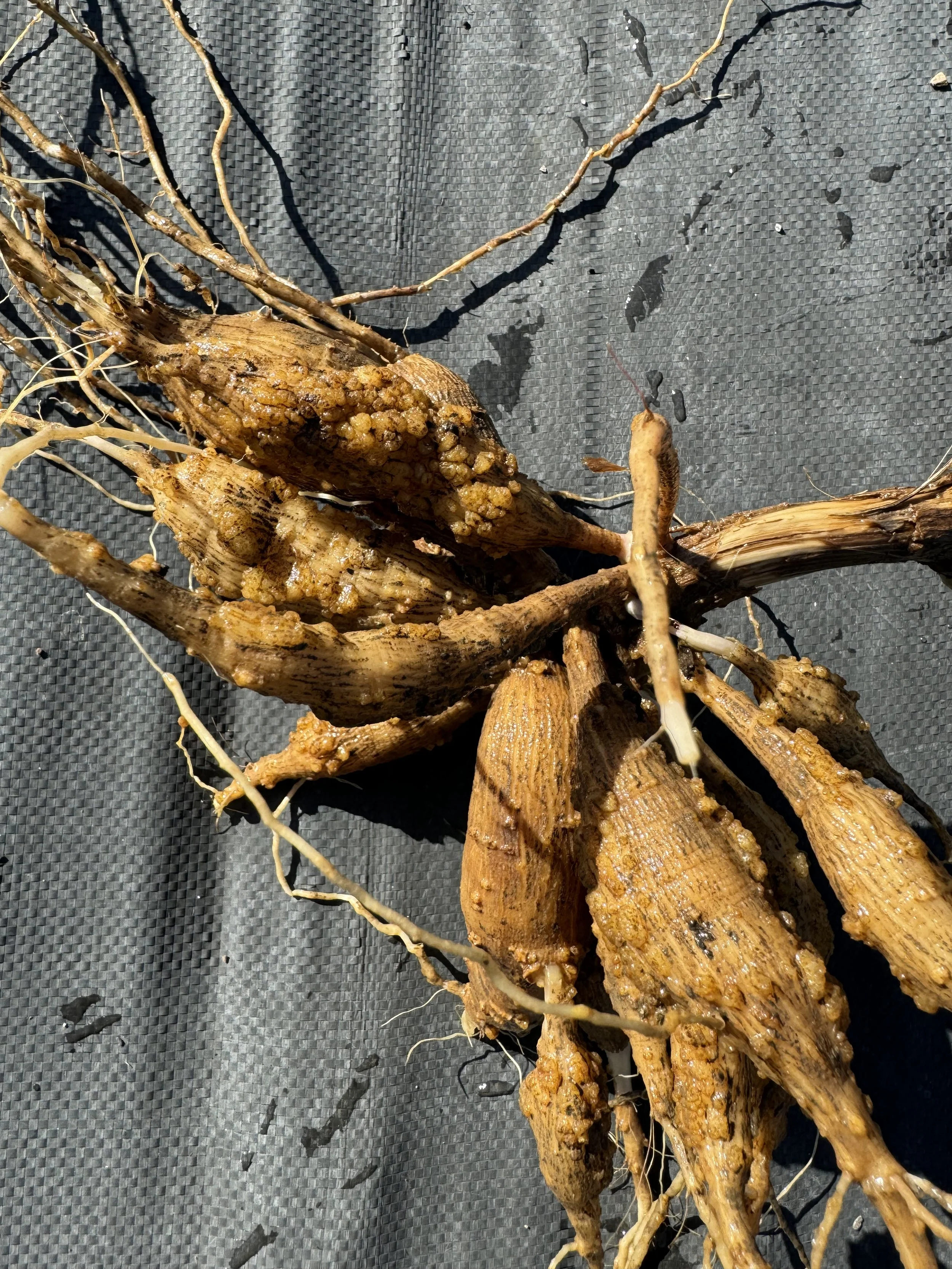
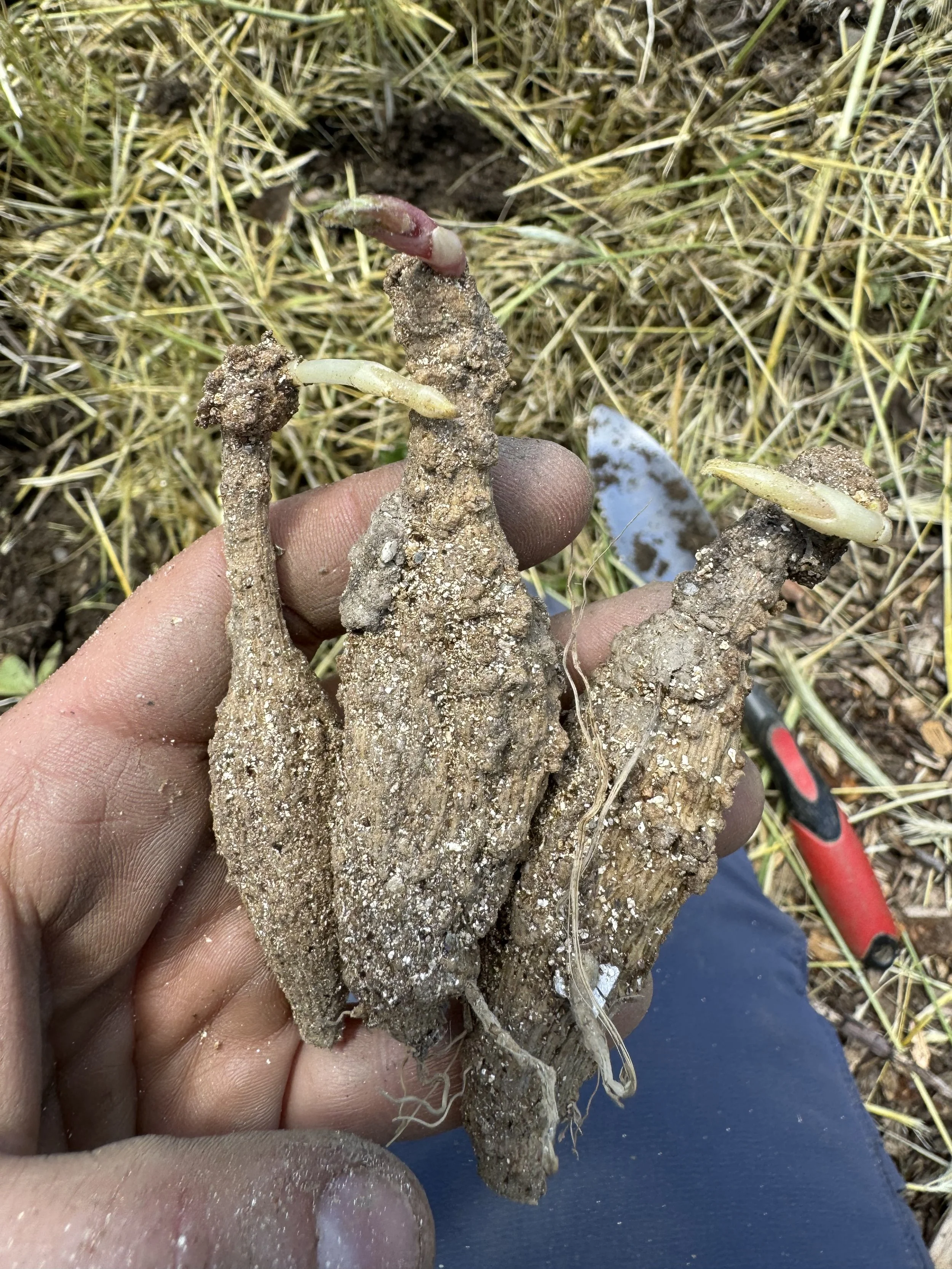
Dahlias are the backbone of our fall design work. We have grown over 50 different varieties and maintain a stable collection of roughly 450 plants. We use them in weddings from June through November. We dug and stored our dahlias every year until the fall of 2022. That year when we went to dig, we discovered that all of our tubers were covered in scaly bumps. LOTS of bumps. Was in lenticles? Our tubers had a million more bumps in clusters than any picture of lenticles that I could find on the internet. I panicked. I called the extension office. We needed to identify what was going on and quickly. My fear was that we had nematodes. If this was the case, digging and moving the tubers would spread the problem throughout our farm and we’d have to destroy all of the tubers. We sent samples, we waited. Tears were shed. Eventually the the tests came back inconclusive. We sent more samples. In the meantime, winter was coming on fast and I realized I wouldn’t have time to dig even if we did get an answer. So, following Jennie’s instructions, we mulched our rows, tarped them, and crossed our fingers.
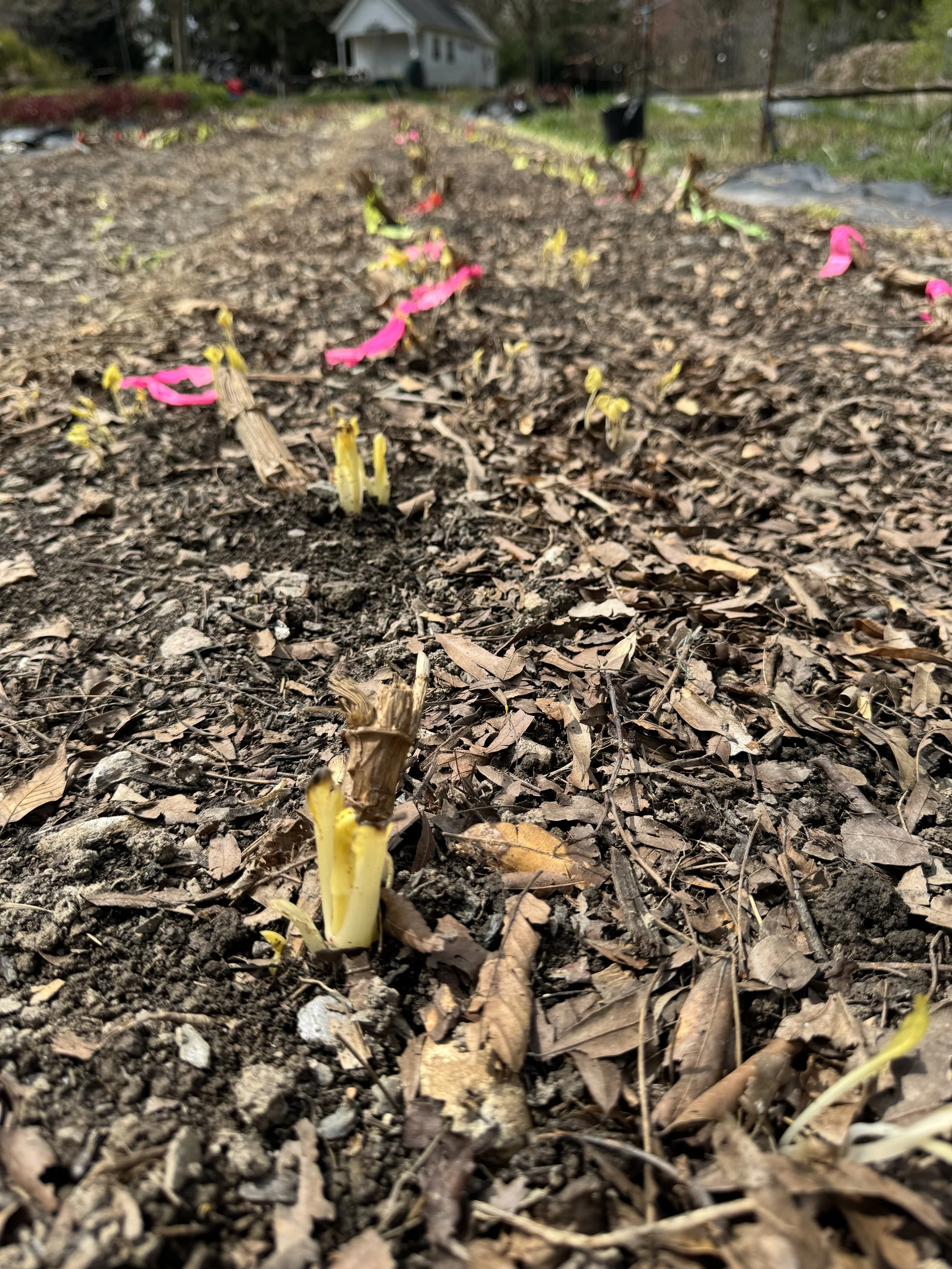
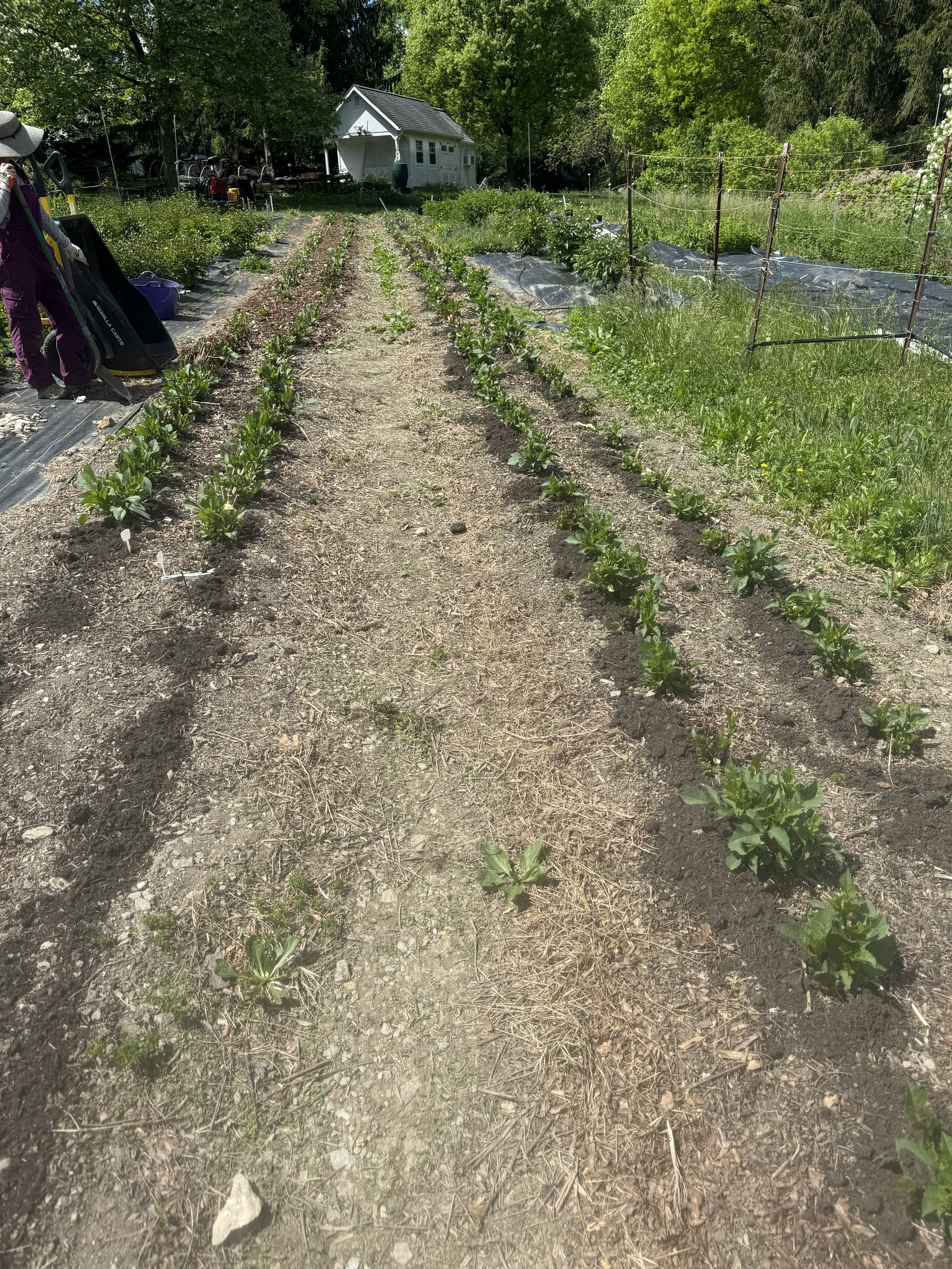
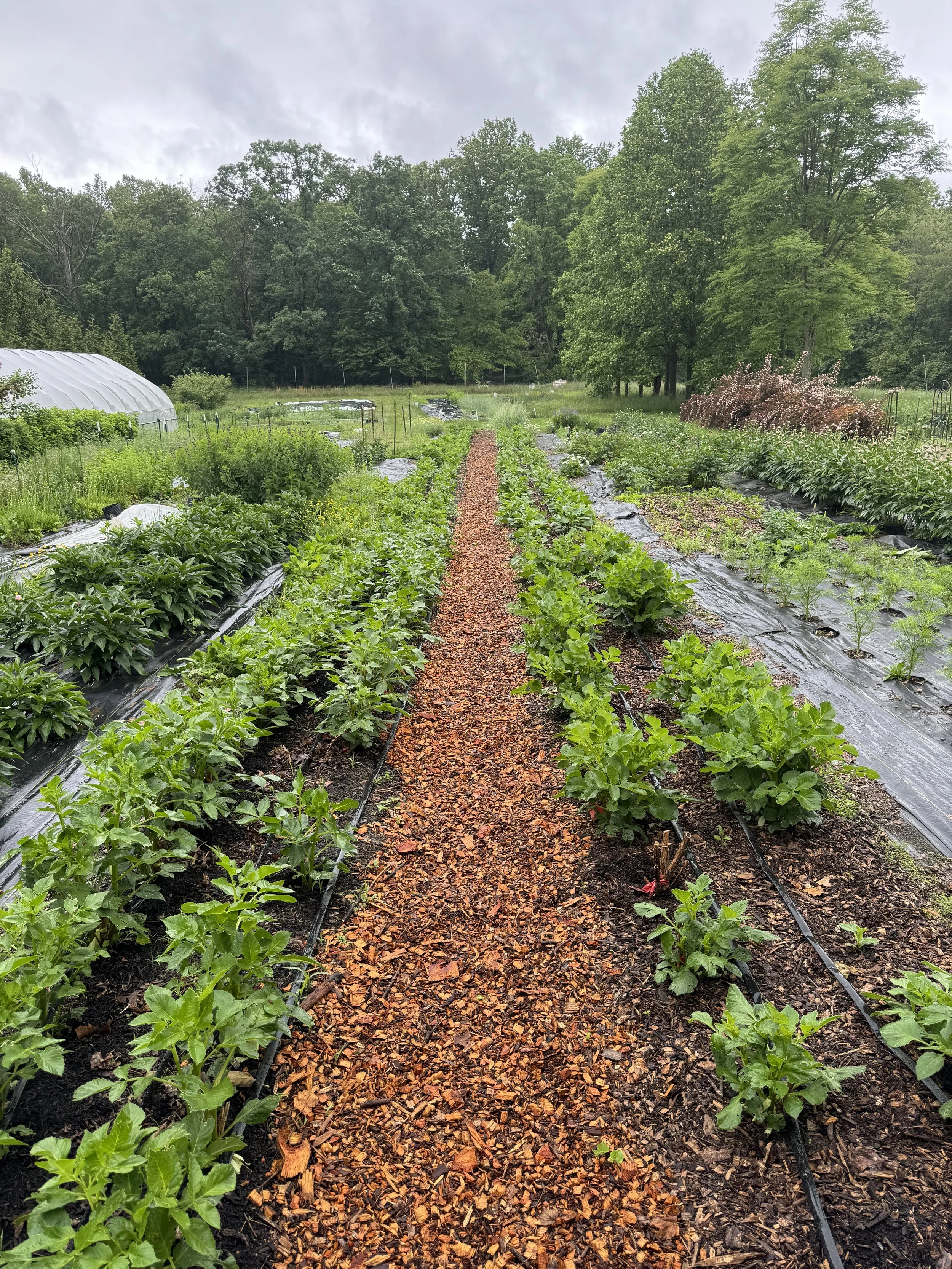
Spring of 2024, the second season that the Dahlias were in the ground, we were delighted when they almost all popped back up! How easy! We thought what an unexpected gift the fear and tragedy of the fall mystery had given us-dahlias with less work! They were early and bloomed all season. We did have a lot of pest pressure. A LOT of pest pressure-everything from Japanese beetles to flea beetles to Grasshoppers and tarnish bugs. The Cafe Au Lait and Peaches were churning out flowers in June, but the majority were unusable due to chomps out the petals. Many of these pests subside by the end of August. By the very end of the season, across the entire field, there had still been enough blooms for fall weddings and mixed bouquets. We decided to keep them in the ground again for another season. To make it a better experiment, we removed one clump from each variety to divide and plant in a different section of the farm the next spring. Everything else was cut down, and then we gently added amendments, compost and a leafy mulch layer and tucked them under the tarps again.
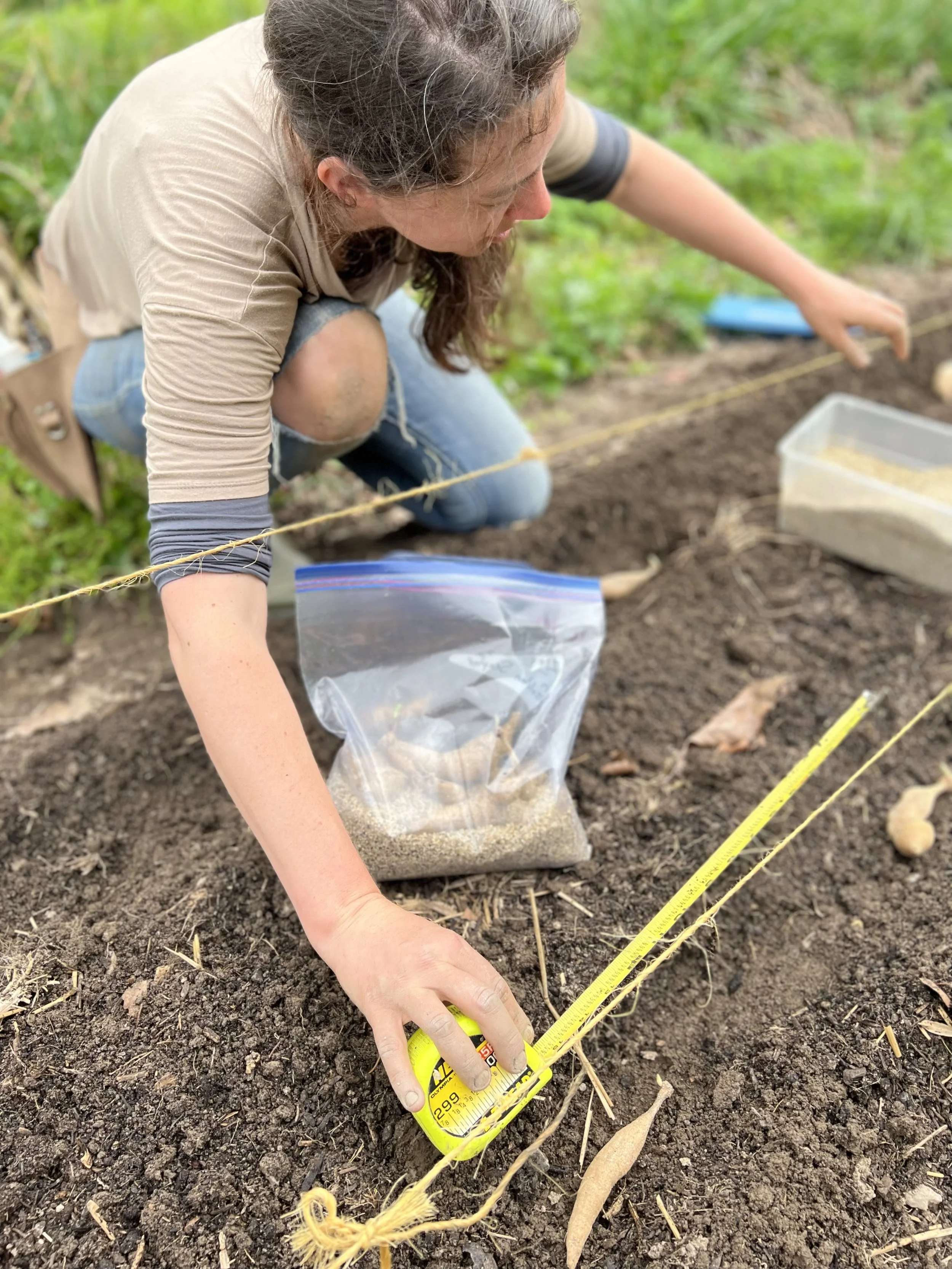
2025 was our third season with the tubers in the same place. We planted a new second field with the saved tubers (still very ugly and bumpy!) for comparison. The overwintered dahlias came up again very early, with increasingly plentiful but increasingly thin stems. It was a very rainy May and we had a lot more loss due to rot. Some varieties were completely gone. In June and July, the insects that were plaguing the blooms of the overwintered field did not appear to be interested in the spring planted field where just the leaves that were present on emerging plants. Back in the overwintered field, varieties like Mai Tai and Black Knight created huge bushy hedges of material that never bloomed. Some plants, like Cafe Au Lait, Peaches and Rose Tuscano, never grew taller than 24 inches. We were still harvesting flowers, but our production had sharply decreased. The new field, by comparison, bloomed much much later but when the blooms came they were plentiful, much larger, and with much stronger stems. It was very clear-our overall number and quality of blooms sharply decreased the longer tubers were kept in the field. In 2022 the last dahlia harvest had been an entire cart (6 buckets) and in 2025 it was down to a single bucket. Our end of season soil test confirmed why-the overwintered field’s soil, even with the amendments and mulch and compost, had declined in overall quality as compared to every other zone on the farm. Not only had the soil not improved, it would now need to be rehabbed. We decided to end the experiment and dig the entire field.
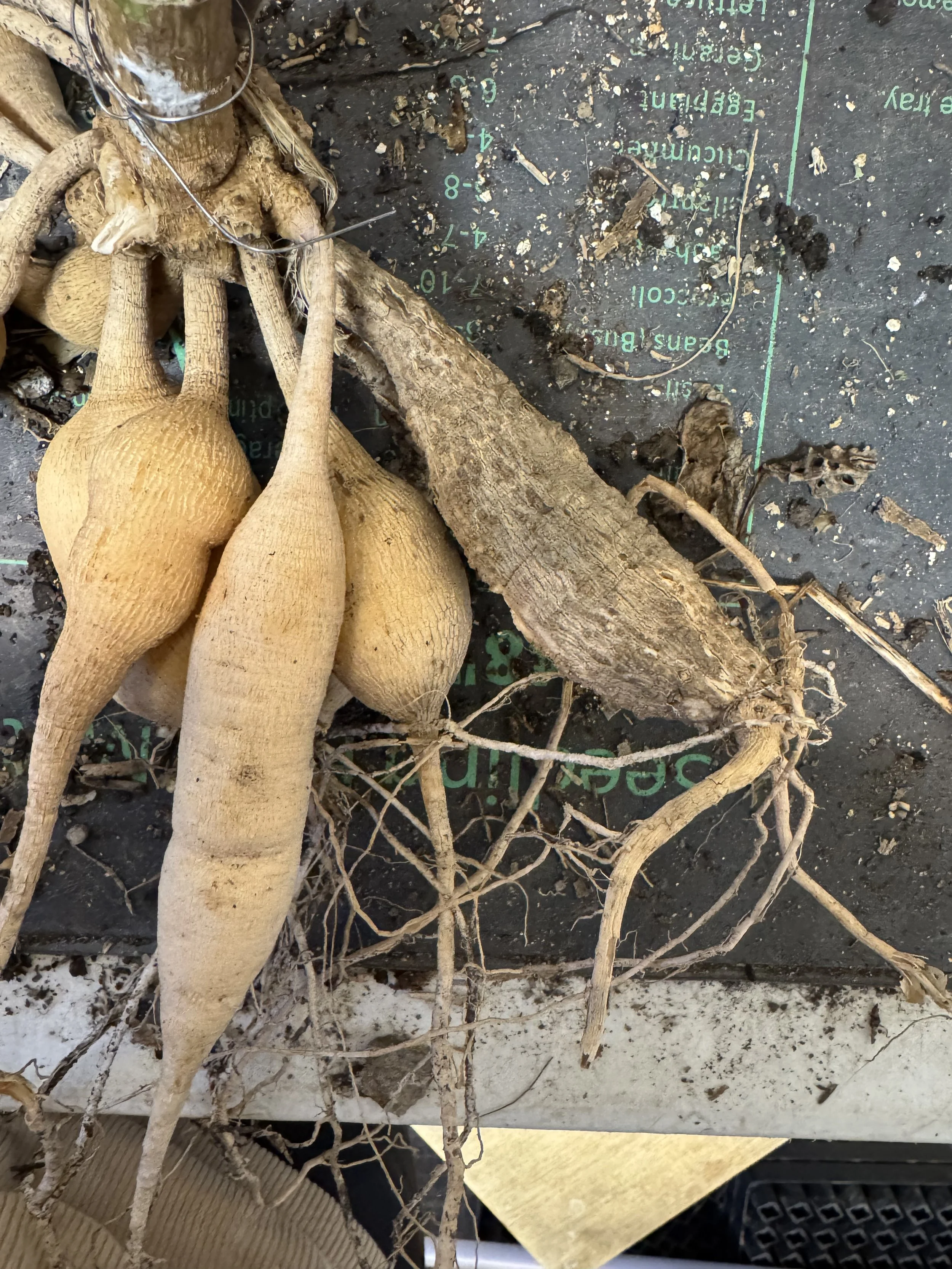
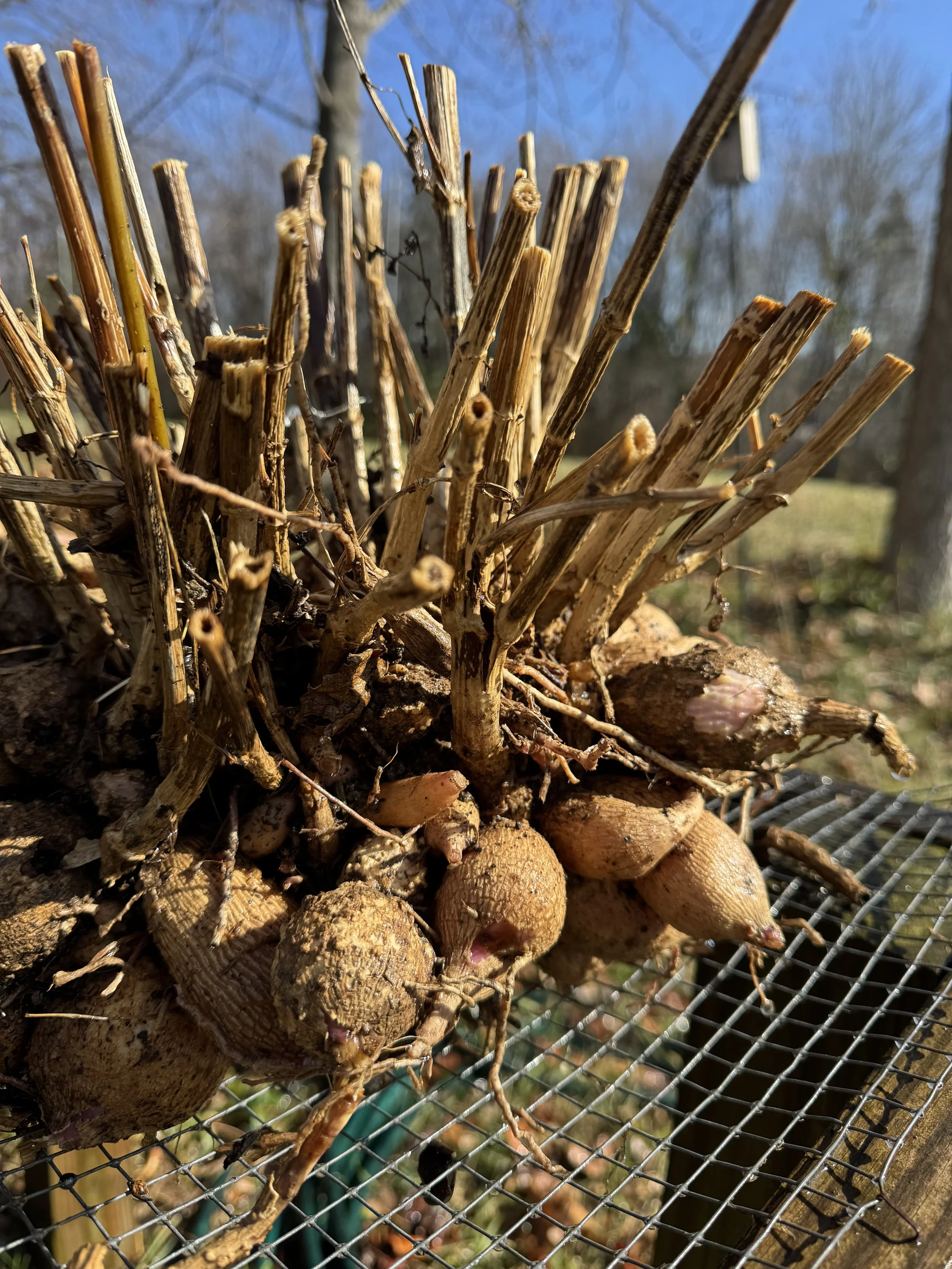
Digging in the fall of 2025 gave us the opportunity for even more comparisons. First year clumps, when dug, appear like a little octopus or spokes on a wheel-they are very easy to wash and very easy to divide. We were happy to see that in our new field, the new tubers were completely smooth and healthy looking. The three year old clumps were large and made up of TONs of tubers. However, washing them thoroughly was impossible. When we went to divide indoors there would be dirt, rocks and worse-worms and slugs-still trapped in the centers of them. Dividing effectively was also a chore. At three years old the new tubers had ceased to grow in a nice uniform starburst but instead twisted all around each other, making their necks long and easy to break, tubers irregular and difficult to untangle and a lot of loss you are forced to hack your way through the clump. Though we do not sell dahlia tubers, I believe this detail is important for those who do-these older clumps will not produce the uniform shaped tubers your customers would be expecting in many varieties.
Key Takeaways:
Varieties that DIDN’T overwinter well: Bridezilla, White Aster, Casper, Rock Run Ashley, Rip City, Blah Blah Blah
Varieties that survived overwintering all three years with minimal tuber loss and still bloomed: Snoho Doris, Cornel Bronze, Nicholas, Sierra Glow, Peaches, Iced Tea, Blizzard, Cafe Au Lait
Varieties that grew bushier over winter but didn’t bloom: Mai Tai, Gitt’s Crazy, Black Knight, Ken’s Choice
As the second year dahlias did OK and were much less work, creating a two year rotation which involves some tubers being dug and some left to overwinter seems like a good idea.
Bumpy tubers are not the end of the world, though it may feel like it. Our bumpy tubers when stored and moved resulted in perfectly normal looking tubers the next season. This is in line with the experience of another grower we spoke with and with the negative nematode/disease report we received from the Extension Office.
Yearly digging and dividing remains the best sure fire way to control soil fertility and ensure uniform tubers.
Early growth may not be a benefit in areas with a lot of early bug pressure and heat stress. Plants that are not blooming until AFTER the summer heat waves seem to do better overall for us. We especially need our dahlias in the fall and sacrificing earlier blooms for better fall harvests is worth it for us.
We are having ongoing issues with the soil in the location where the experiment took place. We don’t know if this is correlation, causation or coincidence. Your soil and climate might produce very different results. I have come to believe the bumpiness on our tubers are extreme lenticles due to a gummy soil. I agree with Jennie Love that soil drainage is more important than soil temperature in the success of perennializing dahlias and this is a factor in the health of the overall field.
Our farm puts a huge emphasis on color and design in what we grow. Trends in the floral industry do change over time. Digging and rotating our dahlias allows us to account for changes in customer demand (And let’s face it, trying out new varieties is fun!)
I hope our experience gives you some insight into what is possible for your growing situation. Please drop any ideas/questions in the comments as I’d love to keep this conversation going. Happy growing!
~Emma